
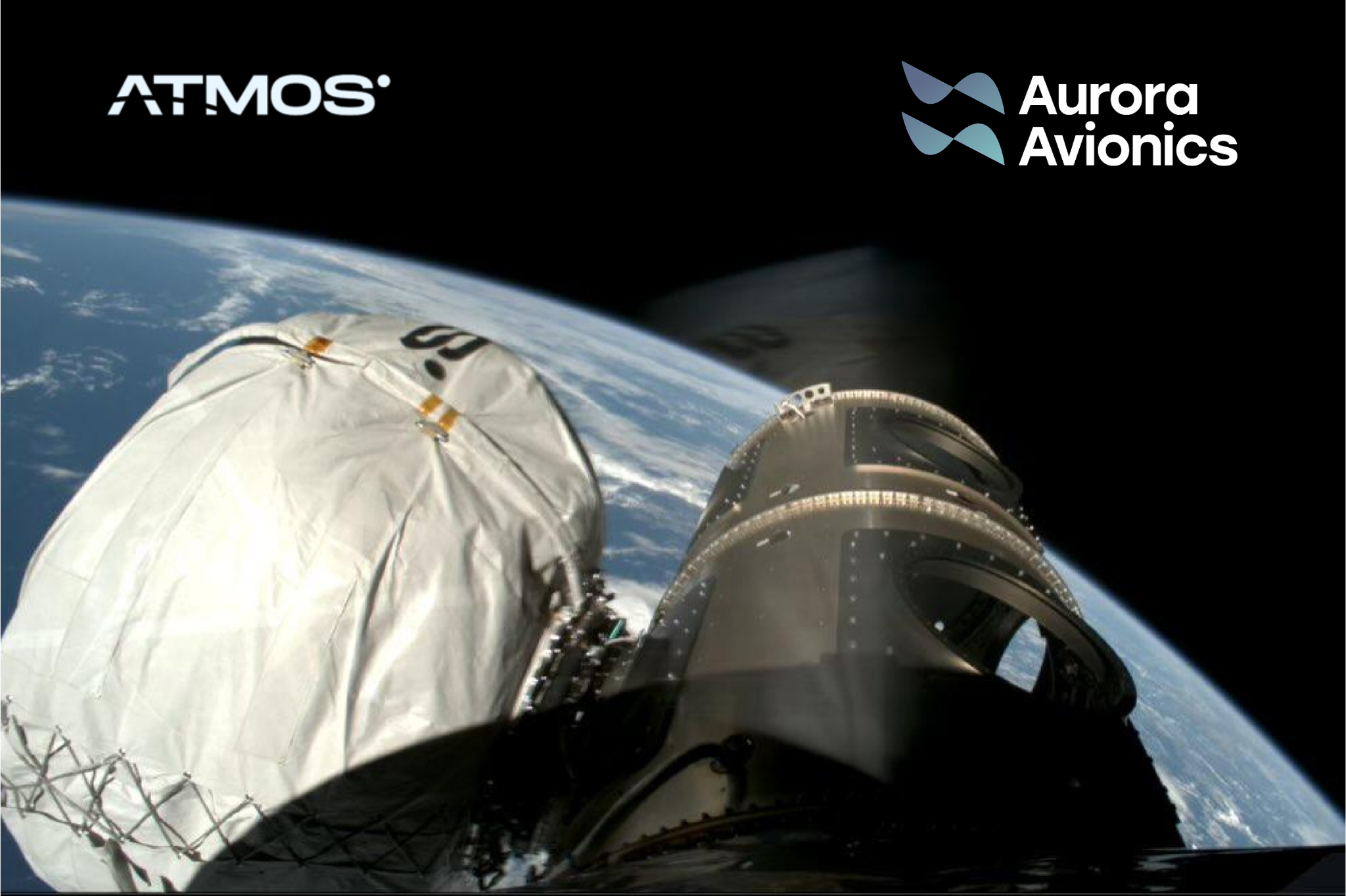
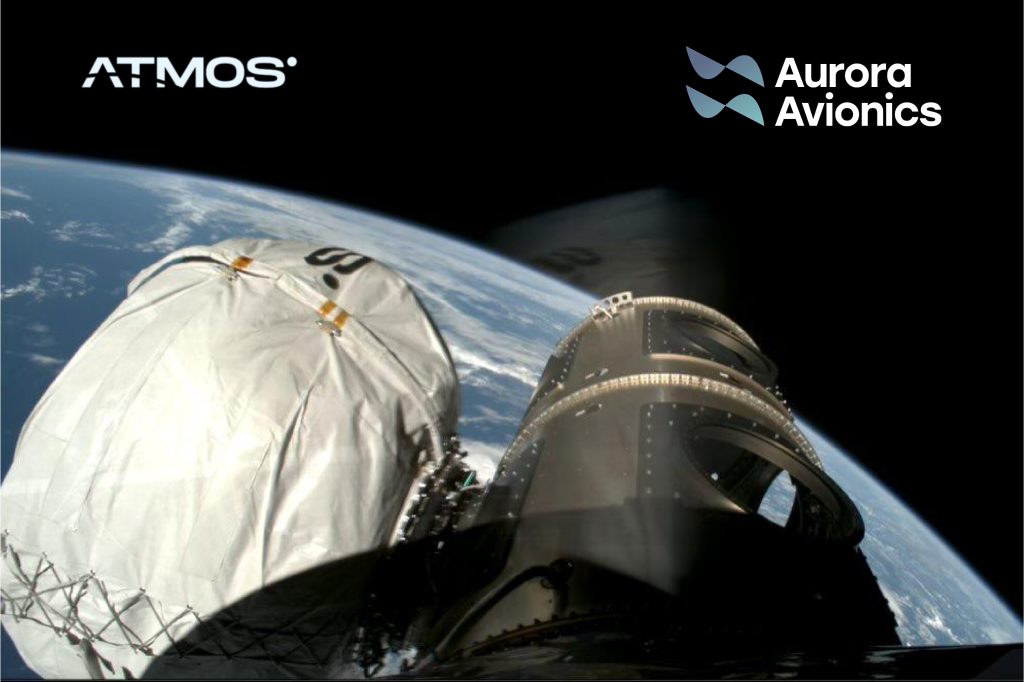
Technology partnership to support future routine in-orbit and return missions in Low Earth Orbit for European science and industry
Aurora Avionics Joins PHOENIX 2.1 Mission
We’re excited to be working with ATMOS Space Cargo to support the upcoming PHOENIX 2.1 mission, supplying onboard data acquisition systems for their reusable spacecraft.
This collaboration marks an important step for Aurora Avionics as we expand into supporting in-orbit operations and return missions, demonstrating how our modular avionics can perform beyond traditional launch applications.
Supporting a New Era of Orbital Logistics
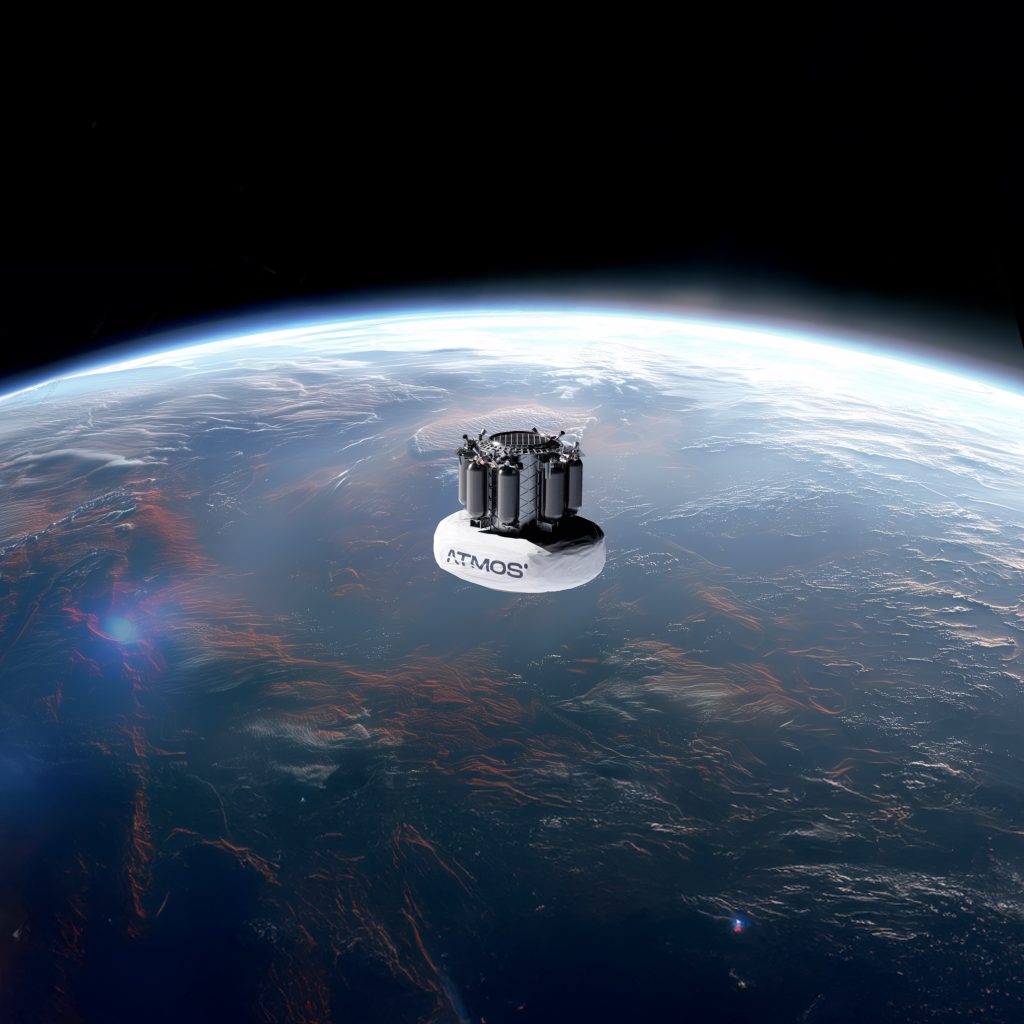
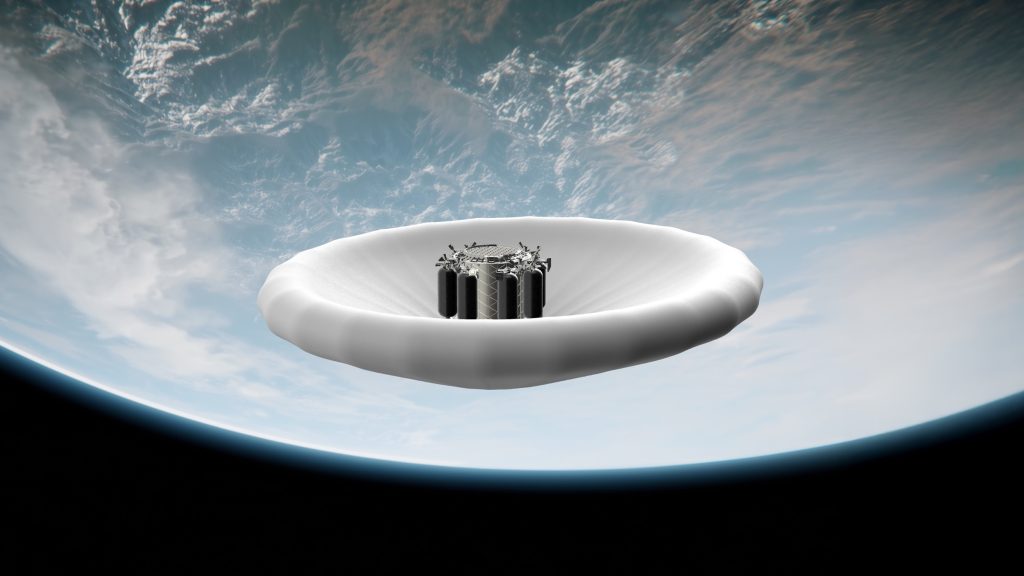
PHOENIX is a reusable orbital transfer and return vehicle (OTRV), designed to enable fully integrated logistics in Low Earth Orbit. From payload integration and in-orbit operations to controlled return and recovery, the platform is built to support autonomous manufacturing and research in microgravity.
The PHOENIX 2.1 mission, planned for launch in 2026, forms part of a broader effort to create reliable, reusable systems that can transport payloads to space and, crucially, bring them back to Earth.
Capturing Data Across Every Phase of Flight
As part of the mission, Aurora Avionics will deliver two modular data acquisition units, integrated directly into the spacecraft.
These systems will collect critical environmental and structural data — including temperature, pressure, and mechanical loads — throughout the mission. This includes launch, in-orbit operations, re-entry, and recovery, providing valuable insights to support vehicle validation and future system development.
Modular Avionics Built for Complex Missions
Our approach to avionics is modular and flexible by design. The systems provided to ATMOS can be tailored to specific mission requirements, allowing for a stackable architecture that adapts to different spacecraft configurations and operational needs.
This flexibility is increasingly important as missions become more complex and demand sustained data capture, precision, and resilience across extended durations in orbit.
Expanding Beyond Launch
For Aurora Avionics, this partnership represents more than a single mission — it’s a step into a broader role within the space ecosystem.
As our CEO Oren Smith-Carpenter explains:
“This partnership enables us to apply our modular avionics technology to one of the most innovative propulsion programs in Europe. Our goal is to provide technically robust systems that deliver both performance and reliability for demanding space applications.”
He adds
ATMOS Space Cargo’s vision for commercial space missions that can operate and return to Earth without relying on space stations is ambitious and exciting. It aligns perfectly with our mission to support high-impact space missions with modular, stackable and robust avionics
Enabling Europe’s Return-to-Earth Capability
ATMOS Space Cargo is building reusable orbital logistics platforms designed to address key challenges in spaceflight — including limited return capacity, high costs, and reliance on crewed space stations.
By enabling reliable data collection throughout the mission lifecycle, Aurora’s systems support ATMOS in validating and refining their spacecraft as part of a multi-flight programme aimed at establishing independent return capabilities for Europe.
As Oren puts it:
We are proud to support a programme that will help establish Europe’s leadership in return logistics and space-based research. Our systems are built to deliver the flexibility, resilience and performance that missions like PHOENIX 2 require.
Looking Ahead to 2026
With launch planned for 2026, PHOENIX 2.1 will gather data over a multi-week period in orbit, supporting validation across every phase of the mission.
For Aurora Avionics, the mission provides a strong validation of our avionics in long-duration, in-orbit environments, while marking a step into emerging return-from-orbit and orbital logistics markets.
If you would like to explore more about our projects and capabilities, contact myles@aav.space
